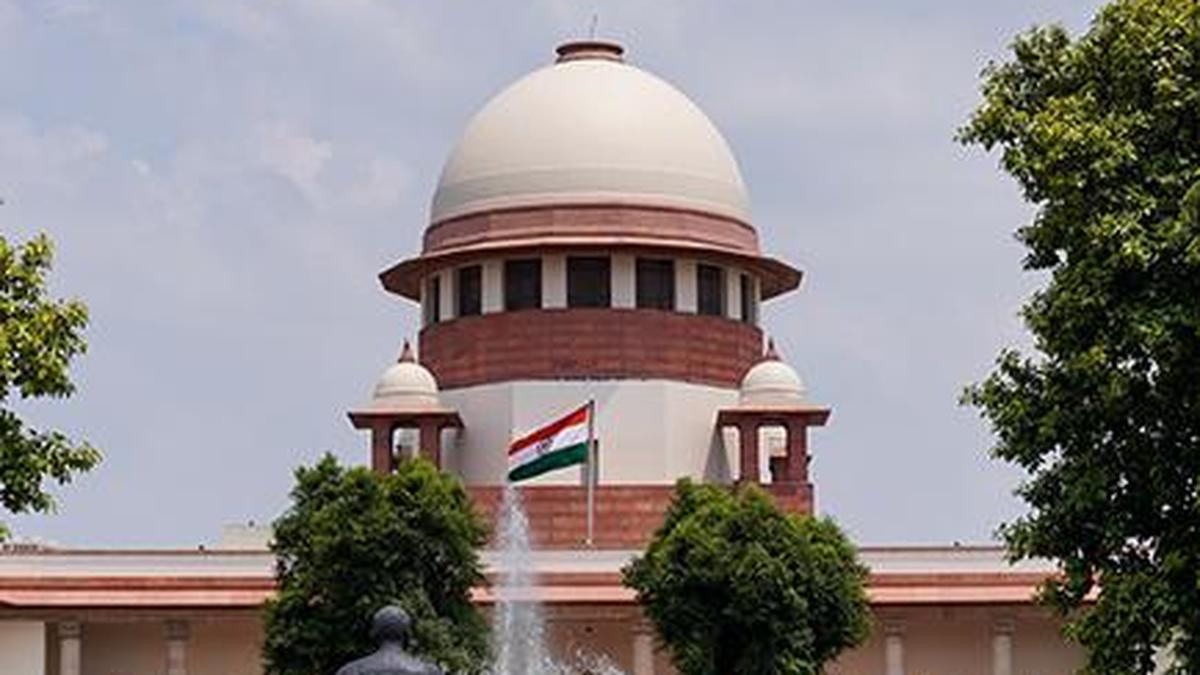
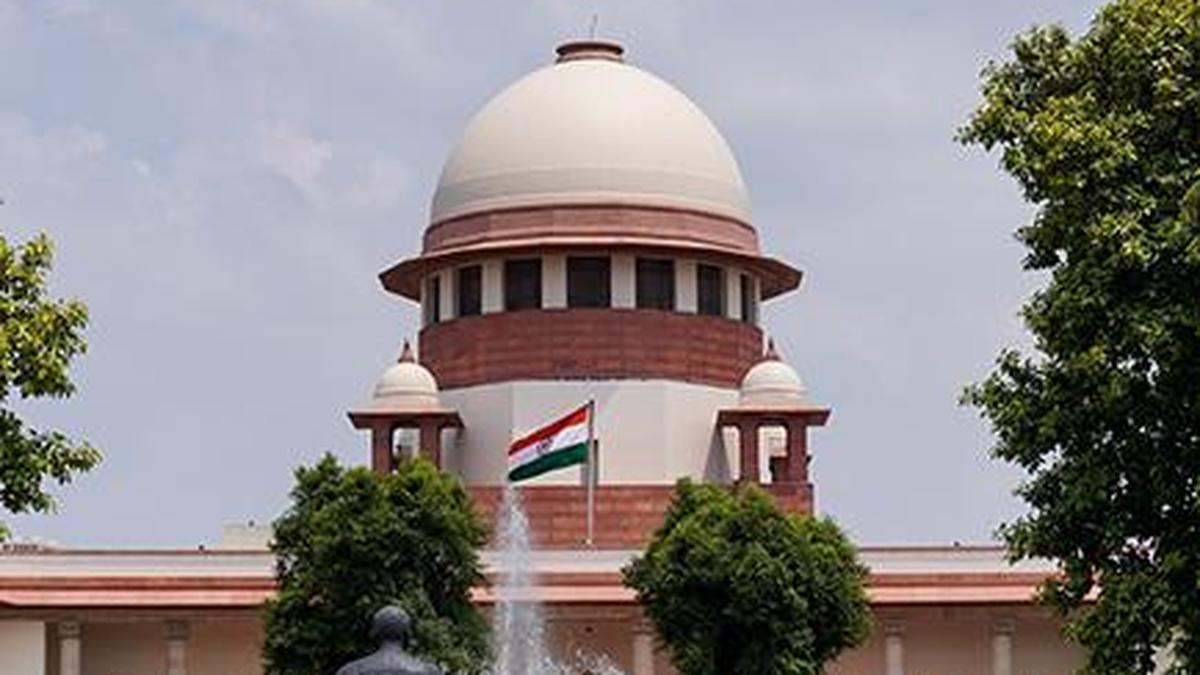
The full day hearing also saw the Supreme Court observe that people need not go to a temple to be religious. File
| Photo Credit: The Hindu
The Constitution presumes that every religious practice is protected unless it violates public order, morality, and health, the Union government told the Supreme Court on Wednesday (May 13, 2026).
Appearing before a nine-judge Bench headed by Chief Justice of India Surya Kant in the Sabarimala review hearing, Solicitor General Tushar Mehta said the protection afforded to religion was not restricted to “essential religious practices” alone, but had a wider ambit.
Mr. Mehta, who opened the rejoinder in the constitutional reference hearing, said the burden was on the challenger to show that a religious practice breached public order, morality, and health.

‘Not just essential practices’
He further submitted that fundamental rights in the Constitution have been interpreted expansively by the court in the past. Only Article 25 (right to religion and freedom of conscience) and Article 26 (freedom of denominations or any section thereof to manage their own religious affairs) were given restrictive meanings by the court.
“Articles 25 and 26 were the only fundamental rights the court gave restricted meanings, saying the rights would be protected to the extent of ‘essential religious practices’ only,” Mr. Mehta submitted.
He pointed out that the phrase ‘essential religious practices’ is absent in the text of the Constitution, arguing that it was sheer judicial creativity at work.

Interconnected rights
Mr. Mehta added that Articles 25 and 26 are interconnected, not isolated silos, submitting that an individual’s freedom of conscience and the right of a denomination to manage its own affairs are interconnected. Article 26 is only a manifestation of the individual right in a collective form, he said.
“Fundamental rights are not islands,” he said.

‘Rituals not needed’
The full day hearing also saw the Supreme Court observe that people need not go to a temple to be religious. A small lamp lit in a hut was an equally poignant expression of faith, Chief Justice Kant said.
Justice B.V. Nagarathna added that Hinduism was a way of life, and did not depend on ritualistic practices or frequent visits to temples.
Legal scholar and former director of the National Judicial Academy, Mohan Gopal, submitted that what Justice Nagarathna referred to was called ‘auto-theism’ or the individual freedom of conscience to explore one’s own inner conscience.
Published – May 13, 2026 10:42 pm IST





+ There are no comments
Add yours