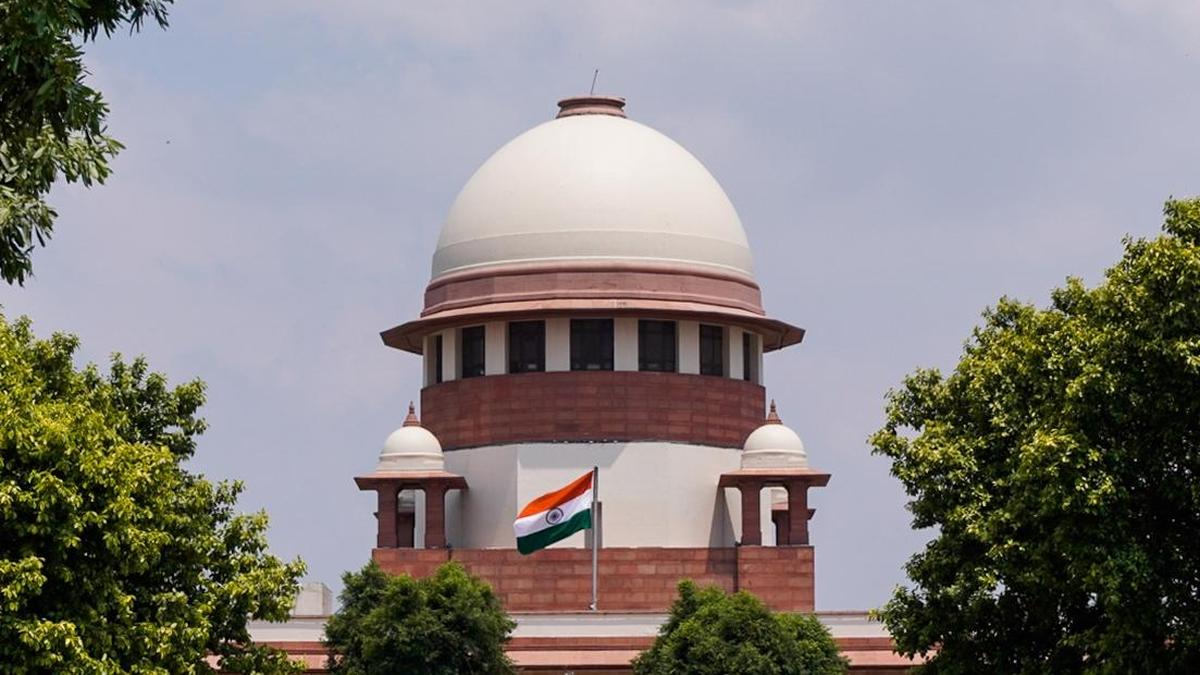
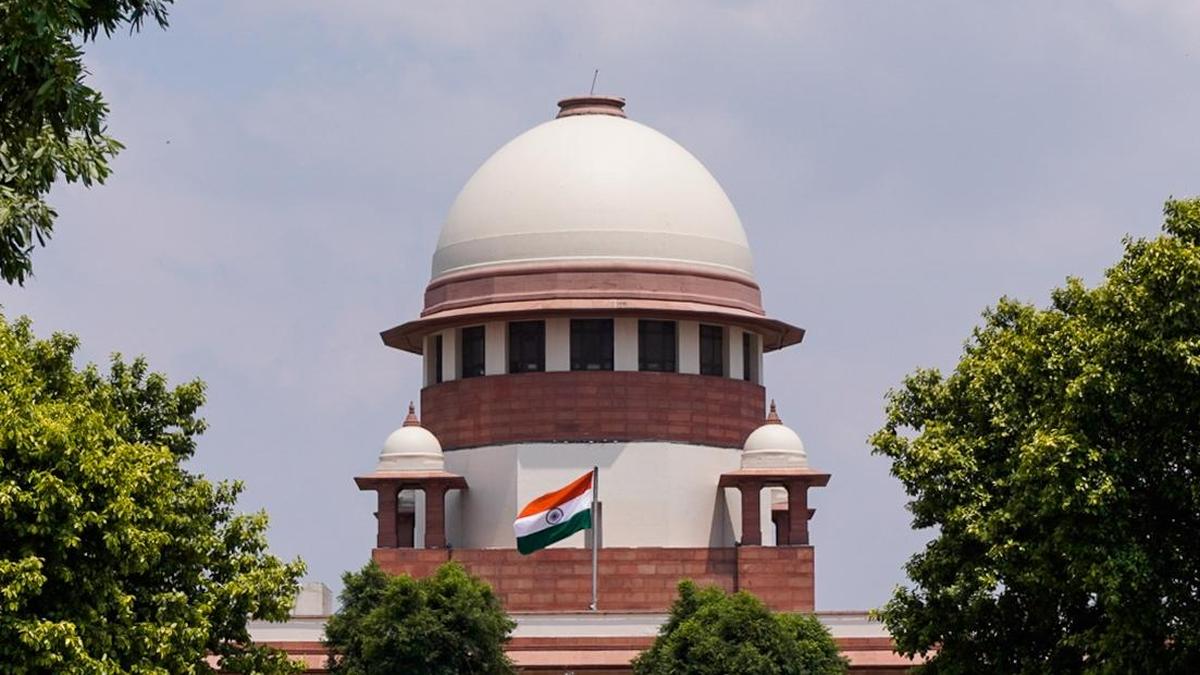
Appearing before a nine-judge Bench headed by Chief Justice of India Surya Kant in the Sabarimala review hearing, amicus curiae senior advocate K. Parameshwar, said the judiciary could neither remain a passive observer nor an overzealous reformer.
| Photo Credit: The Hindu
The Supreme Court on Thursday (May 14, 2026) said courts cannot give up their duty to judicially review religious practices to examine if they violate fundamental liberties, though the primary obligation to usher in reform and ensure social welfare lay with the legislature.
Appearing before a nine-judge Bench headed by Chief Justice of India Surya Kant in the Sabarimala review hearing, amicus curiae senior advocate K. Parameshwar, said the judiciary could neither remain a passive observer nor an overzealous reformer.
“Constitutional courts cannot give up their responsibility. It is not a question of power. It is the duty of a constitutional court,” Chief Justice Kant observed.
Mr. Parameshwar contended that the validity of religious rights should not be judged based on factors such as rationality. He said the term ‘religious denomination’ must be given a broader meaning.
The court reserved the case for judgment after 16 days of marathon hearing.
In September 2018, a Constitution Bench had lifted the ban that prohibited women between the ages of 10 and 50 from entering the Ayyappa shrine at Sabarimala and held that the centuries-old Hindu religious practice was illegal and unconstitutional.
The case was referred to a larger Bench the next year after the framing of broader issues on religious freedoms and the extent to which courts could intervene in their practice.
The nine-judge Bench heard a wide array of petitions cutting across practices in different religions, including the right of Muslim women to enter mosques and the entry of Parsi women into the Agiary after inter-faith marriage.
Published – May 14, 2026 11:07 pm IST








+ There are no comments
Add yours